

A beautiful wedding is not measured by the number of minutes it takes, but by the memories created in every moment. From the first walk down the aisle to the final exchange of vows, each part of the celebration deserves enough time to feel meaningful. However, one question many couples ask while planning their special day is, how long does a wedding ceremony last?
The answer depends on several factors, including the type of ceremony, personal traditions, readings, the number of guests, and the couple’s preferences. Some ceremonies are completed in less than 20 minutes, while others may take an hour or longer. Understanding the expected wedding duration can help couples organise their schedules, coordinate with vendors, and enjoy their celebration without feeling rushed.
At Emerald Engagement, we understand that thoughtful preparation makes a significant difference in creating a memorable wedding experience. Knowing what to expect can help you build a realistic schedule and make every moment of your big day count.
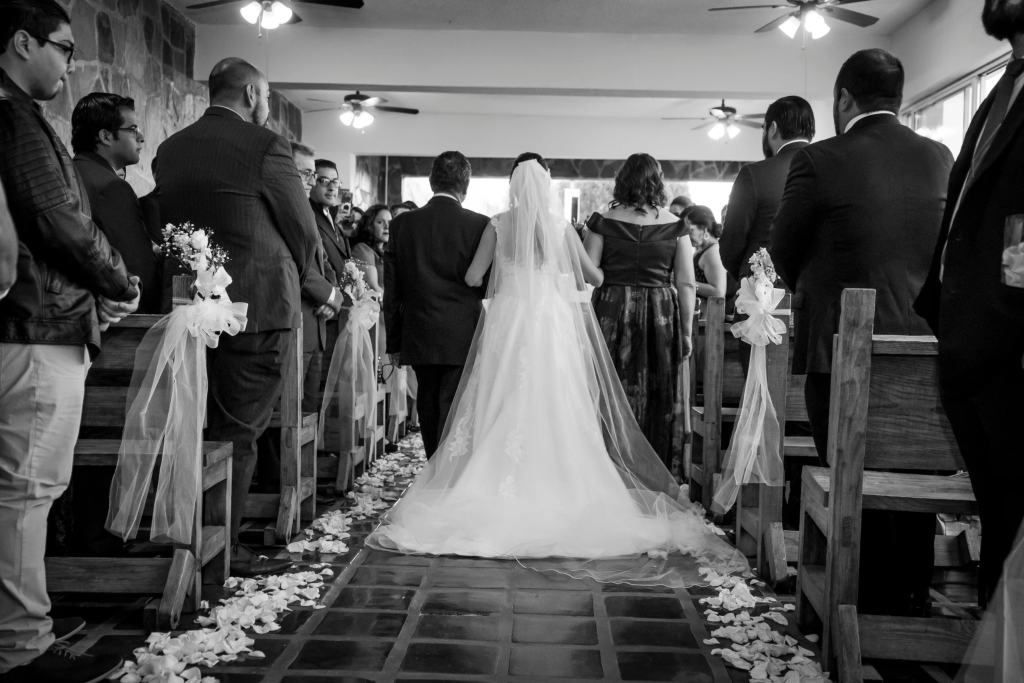
How Long Does a Wedding Ceremony Last on Average?
Most wedding ceremonies last between 20 and 45 minutes. However, there is no universal rule that determines the perfect length. A simple civil ceremony may take only 10 to 20 minutes, whereas a traditional ceremony involving religious customs, readings, music, and additional rituals can last 45 minutes to an hour or more.
The ceremony typically includes several important moments, such as the processional, welcome remarks, exchange of vows, ring exchange, official declaration, and recessional. Each element contributes to the overall experience.
When creating a schedule, couples should consider the following general estimates:
- Simple civil ceremony: Approximately 10 to 20 minutes.
- Traditional wedding ceremony: Approximately 30 to 60 minutes.
- Religious ceremony: Approximately 45 to 90 minutes, depending on customs.
- Personalized ceremony: Approximately 20 to 45 minutes, depending on selected elements.
These estimates provide a useful starting point, but the actual timing will depend on how the couple wants to celebrate. Emerald Engagement encourages couples to focus on creating a comfortable experience rather than trying to fit everything into a strict schedule.
What Factors Influence the Length of a Wedding Ceremony?
Several details determine how much time a wedding ceremony requires. Even two celebrations with similar guest counts can have completely different timelines because of their traditions and arrangements.
One important factor is the type of ceremony. Religious weddings often include specific prayers, blessings, readings, and symbolic customs. Civil celebrations generally have fewer formal requirements, making them shorter.
The number of participants also matters. A large wedding party may need additional time to walk down the aisle, take their positions, and complete the processional. Similarly, ceremonies with multiple speakers or family traditions may require extra minutes.
Other factors include:
- The length of personal vows.
- The number of selected readings or musical performances.
- Cultural and family traditions.
- The size and layout of the venue.
- The time needed for guest seating and transitions.
- Photography and video arrangements.
Emerald Engagement recognizes that every couple has different priorities. Allowing enough time for these details helps create a smooth and enjoyable experience for everyone attending.
Traditional Ceremony vs. Civil Ceremony: Understanding the Difference
The format of your wedding plays a major role in determining its duration. Traditional and civil ceremonies follow different structures, which can affect the overall schedule.
A traditional ceremony usually includes established customs and formal elements. Depending on the couple’s religious or cultural background, it may feature prayers, blessings, scripture readings, hymns, symbolic exchanges, and other meaningful rituals.
These additional activities can extend the ceremony to 45 minutes or longer. Some religious celebrations may take considerably more time, especially when several traditions are included.
A civil ceremony, on the other hand, is generally more straightforward. It typically focuses on the legal requirements of marriage, the exchange of vows, and the official declaration. Couples may also personalize the experience with short readings or meaningful speeches.
Civil ceremonies commonly last between 10 and 20 minutes, although personalized versions can take longer.
There is no better or worse option. The right choice depends on your beliefs, preferences, and the atmosphere you want to create. Emerald Engagement believes the most memorable celebrations are those that genuinely reflect the couple’s relationship and values.
Understanding the Wedding Ceremony Timeline Step by Step
Knowing what happens during a wedding ceremony makes it easier to estimate its total duration. Although every celebration is different, most ceremonies follow a recognizable sequence.
Here is an example of how a 30-minute wedding ceremony might be organized:
- Guest seating and preparation: Before the ceremony begins, guests arrive, find their seats, and settle into the venue. This preparation usually happens before the official start time.
- The processional (5 minutes): The wedding party enters, followed by the bride or couple, depending on the chosen arrangement. Music often accompanies this special moment.
- Welcome and opening remarks (3 minutes): The officiant welcomes guests and introduces the meaning of the occasion.
- Readings and special messages (5 minutes): Selected family members, friends, or the officiant may share meaningful readings, poems, or reflections.
- Exchange of vows and rings (10 minutes): The couple expresses their commitment through personal or traditional vows before exchanging rings.
- Marriage declaration and closing remarks (3 minutes): The officiant formally declares the couple married and shares any final words.
- The recessional (4 minutes): The newly married couple exits, followed by the wedding party.
This example provides a practical framework rather than a fixed requirement. Emerald Engagement recommends discussing each stage with your officiant so the ceremony timeline reflects your preferences.
Can Personal Vows, Readings, and Traditions Add an Extra Hour?
Personal touches make a wedding feel special, but they can also influence its duration. Couples who want to include meaningful readings, speeches, cultural customs, or additional rituals should account for the extra time.
Writing personal vows is a popular way to make the ceremony more emotional. However, longer vows can add several minutes, particularly when both partners have prepared detailed messages.
Readings can also extend the schedule. If multiple relatives or friends participate, allow time for each person to approach the microphone, deliver their message, and return to their seats.
Music is another consideration. A complete song performance may take three to five minutes or longer, while instrumental selections can create beautiful transitions between different parts of the ceremony.
Additional traditions, such as unity ceremonies, candle lighting, cultural blessings, or symbolic exchanges, may also require extra preparation.
The key is choosing elements that have personal meaning. Rather than including every possible tradition, select the ones that best represent your relationship. Emerald Engagement encourages couples to create a ceremony that feels genuine, balanced, and comfortable for everyone involved.
How the Venue and Guest Count Affect Ceremony Duration
Your wedding venue can influence how smoothly the ceremony progresses. An indoor location with organized seating may make it easier for guests to settle quickly, while outdoor celebrations may require additional coordination.
For example, a garden wedding might involve longer walking distances, especially when the ceremony space is separate from the guest entrance. Weather conditions can also affect outdoor arrangements and create unexpected delays.
Guest count is another important consideration. A smaller gathering often allows for a simpler processional and quicker seating arrangements. A celebration with hundreds of attendees may require additional coordination to ensure everyone is comfortably seated.
Photography requirements should also be discussed in advance. Some couples prefer to pause for specific photographs, while others want their photographer to capture everything naturally without interrupting the proceedings.
At Emerald Engagement, careful attention to these practical details helps couples understand how their chosen setting may affect the schedule. A well-organized venue arrangement can make the experience more relaxed for both the couple and their guests.
Does the Reception Begin Immediately After the Ceremony?
The wedding ceremony is only one part of the overall celebration. After the official proceedings, couples usually move into the reception, where guests can enjoy food, drinks, entertainment, and social activities.
In many weddings, a cocktail hour takes place between the ceremony and reception. This period generally lasts around 60 minutes, giving guests an opportunity to mingle, enjoy refreshments, and celebrate while the newly married couple takes photographs.
The cocktail hour is particularly helpful when the ceremony and reception take place at the same venue. It creates a natural transition without requiring guests to wait without activities.
Some couples prefer a shorter break, while others schedule additional time for travel between locations. If guests need to move from a ceremony venue to a separate reception space, transportation and parking should also be considered.
Remember that wedding duration refers to the entire event, not just the ceremony. A ceremony lasting 30 minutes can be part of a celebration that continues for several hours. Planning these transitions carefully helps maintain a comfortable flow throughout the day.
How to Create a Realistic Wedding Timeline Without Feeling Rushed
A realistic timeline allows couples to enjoy their celebration instead of constantly checking the clock. The best approach is to plan each major activity and include a little flexibility for unexpected delays.
Start by confirming the ceremony’s expected length with your officiant. Discuss the processional, vows, readings, music, and any additional traditions you want to include.
Next, coordinate with your photographer, venue coordinator, and other vendors. Everyone should understand when the ceremony begins, when it is expected to finish, and what happens immediately afterward.
It is also helpful to schedule a rehearsal before the wedding. Practicing the processional and reviewing everyone’s responsibilities can prevent confusion on the actual day.
Consider adding a 10- to 15-minute buffer to important transitions. This small adjustment can make a significant difference if guests arrive late, photographs take longer, or the ceremony runs slightly behind schedule.
Emerald Engagement understands that successful wedding planning involves more than choosing beautiful decorations or selecting a venue. It requires thoughtful organization, clear communication, and attention to the little details that make a celebration feel effortless.
Make Every Minute of Your Wedding Day Meaningful
Ultimately, the ideal ceremony length is the one that allows you to celebrate your commitment without unnecessary pressure. Whether you prefer an intimate 15-minute civil ceremony or a traditional celebration lasting more than an hour, what matters most is that the experience feels right for you.
Avoid comparing your timeline with other weddings. Every couple has different traditions, family expectations, and ideas about what makes a special day memorable.
Focus on the moments that matter, communicate your expectations with your vendors, and leave enough room to enjoy the celebration. A thoughtful schedule can help you stay organized while allowing genuine emotions and spontaneous memories to unfold.
At Emerald Engagement, we believe every wedding deserves careful planning and a personal touch. Our goal is to help couples approach their special celebration with confidence, knowing that the details have been thoughtfully considered.
Create a Wedding Day Worth Remembering with Emerald Engagement
Your wedding day should be filled with joy, meaningful moments, and beautiful memories, not the stress of watching the clock. With the right planning and a well-organized ceremony timeline, you can enjoy every part of your celebration at a comfortable pace.
Let Emerald Engagement help you make your wedding vision a reality. Get in touch today to explore how thoughtful planning and attention to detail can make your big day an unforgettable experience.